
Key Takeaways: Different Types of Cockroaches and How to Identify Them
- There are many different types of cockroaches, but only a few infest homes.
- German cockroaches are the most common indoor problem.
- Oriental and American cockroaches thrive in damp, dark areas.
- Identifying the right species is key to choosing the best control method.
- For persistent infestations, professional pest control is the safest solution.
If you’ve ever turned on the kitchen light at night only to see a roach scurry across the floor, you know how unsettling it can be. Cockroaches are among the most common household pests in the U.S. What makes them tricky is that there are many types of cockroaches, and each one looks and acts a little differently.
Knowing which roach species you are dealing with helps you understand their behavior, their favorite hiding spots, and the best way to get rid of them.
This guide walks you through the different kinds of roaches you may spot around your home, explains how to recognize them, and shares practical tips to control them.
Different Species of Cockroaches
Before diving into details, here is a quick look at the most common cockroach types found in U.S. homes and neighborhoods:
| Name | Scientific Name | Color | Size | Appearance Details | Lifespan | Commonly Found |
| Smoky Brown Cockroach | Periplaneta fuliginosa | Dark glossy brown | Up to ~1½ in | Dark wings extending beyond the body; oval-shaped body | ~1½ years | Areas of high humidity & heat |
| Field Cockroach | Blattella vaga | Grey-olive with stripes | ~½ in | 2 dark stripes on the head; oval body | ~90 days | Outdoors, under greenery/leaves |
| Brown Banded Cockroach | Supella longipalpa | Brown with light bands | ~½ in | Light yellow bands on the back; compact body | ~13-45 weeks | Kitchens, bathrooms, and elevated areas |
| Oriental Cockroach | Blatta orientalis | Black-shiny | ~1 in | Males with short wings; females wingless; oval body | ~6 months | Damp, dark areas (pipes, drains) |
| German Cockroach | Blattella germanica | Light brown/tan | ~½ in | Stripes behind head; small & oval | ~>365 days | Kitchens, pantries, warm indoor spots |
| Turkestan Cockroach | Blatta lateralis | Dark brown with cream edges | ~1 in | Oval body; females dark; males rusty colored wings | ~1-1¼ year | Outdoors; also enters homes |
| American Cockroach | Periplaneta americana | Reddish brown | >3 in | Largest common species; light ring behind head; large wings | ~700 days | Sewers, drains, and commercial buildings |
| Oriental Cockroach | Blatta orientalis | Shiny black/dark brown | ~1 in | Males with wings, shiny body; prefers moist areas | ~6-12 months | Storm drains, under sinks, and basements |
Common Types of Cockroaches
Understandably, your primary concern is to get rid of roaches in the kitchen. However, to achieve that successfully, you must know that different roaches have different quirks. Some prefer damp spaces, while others thrive in kitchens and pantries. Learning about their appearance and habits can help you decide how to respond if you spot one.
-
Smoky Brown Cockroach (Periplaneta Fuliginosa)

Group A close relative of the American roach, but smaller in size.
Appearance Glossy dark brown, with wings that extend beyond their body. They are around 1½ inches long.
Behavior They love warm, humid climates, which makes them common in the southern U.S. They are good fliers, which adds to the challenge of keeping them out.
Lifecycle Smoky brown roaches can live for over a year and reproduce steadily.
How to Get Rid Keep outdoor vegetation trimmed back from your home. Seal gaps in walls and around windows. Professional treatment may be needed if you notice them inside, especially in attics or bathrooms.
-
Field Cockroach (Blattella Vaga)

Group An outdoor roach species that looks a lot like the German cockroach.
Appearance Small, about half an inch long, with a grayish-olive color and two dark stripes on the head.
Behavior They prefer outdoor environments like gardens, leaf piles, and under debris. They don’t typically thrive indoors.
Lifecycle Their lifespan is short, about three months. But they can still become a nuisance if they wander into homes.
How to Get Rid Since they mostly stay outside, keep gardens tidy and remove piles of leaves or wood. If they do enter your home, sealing cracks and using traps can help.
-
Brown Banded Cockroach (Supella Longipalpa)

Group A smaller roach species that prefers drier environments compared to others.
Appearance About half an inch long, light brown with noticeable pale bands across the wings and abdomen.
Behavior They don’t stick to the kitchen only. You might find them in bedrooms, closets, or even behind wall hangings. They like elevated spots like upper cabinets and shelves.
Lifecycle The life cycle of the brown banded cockroach is fairly short. They produce fewer eggs, but spread out more around the home.
How to Get Rid Vacuum regularly, especially around furniture. Use sticky traps in rooms beyond the kitchen. Because they hide in unusual places, sealing cracks and crevices is critical.
-
Oriental Cockroach (Blatta Orientalis)

Group Often called the “water bug” or “black beetle roach,” these are common outdoor cockroaches that can invade homes.
Appearance Oriental cockroaches are usually about 1 to 1.25 inches long. They are dark brown to nearly black in color with a shiny body.
Behavior Oriental cockroaches thrive in cool, damp, and dark areas like basements, crawl spaces, drains, and sewers. They move slower than other roaches but are very resilient in dirty, moist conditions.
Lifecycle Females produce egg cases (oothecae) containing up to 16 eggs. Though they reproduce slowly, they can still build large populations over time if left unchecked.
How to Get Rid Focus on reducing moisture around the home. Fix leaky pipes, improve ventilation, and keep drains clean. Store garbage in sealed containers. Using baits and insecticidal dusts near entry points can help. However, professional pest control is often necessary for severe infestations.
-
German Cockroach (Blattella Germanica)

Group: One of the most common indoor roaches in the U.S.
Appearance: Small, about half an inch long, light brown or tan with two distinct dark stripes right behind the head.
Behavior: This cockroach breed loves warm and humid spaces. Thus, they are often spotted in kitchens and bathrooms. They reproduce very quickly, which makes them tough to control once an infestation starts.
Lifecycle: German cockroaches can produce several egg cases a year, each carrying dozens of eggs. This explains why their numbers grow so fast.
How to Get Rid: Start by keeping the kitchen spotless, sealing off crumbs and grease. Fix water leaks since they need moisture to survive. When trying to get rid of roaches in the kitchen, baits and traps can help. However, a professional service is usually needed for heavy infestations.
-
Turkestan Cockroach (Blatta Lateralis)

Group: An invasive roach species that is spreading across the southern and western U.S.
Appearance: Females are dark brown with cream-colored edges, while males are lighter with reddish wings. Adults are about one inch long.
Behavior: They thrive outdoors but can easily sneak inside, especially through garage doors or vents. They are often attracted to lights at night.
Lifecycle: Their reproduction rate is moderate, but because they cluster around outdoor areas, large populations can build up.
How to Get Rid: Seal entry points around doors and windows. Reduce outdoor lighting at night if roaches gather around. If they invade indoors, professional control is recommended.
-
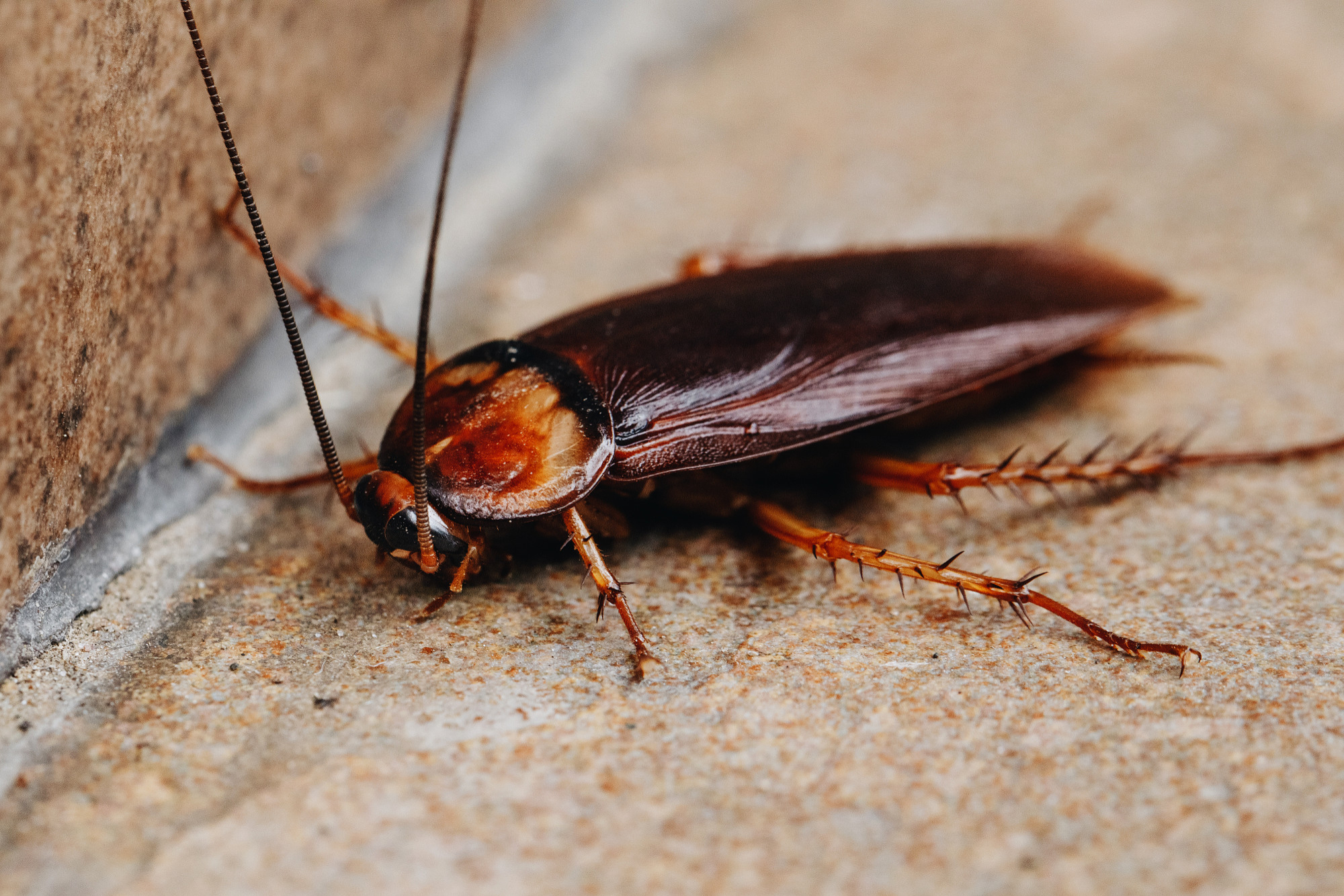
American Cockroach (Periplaneta Americana)

Group: Known as the largest common roach species in the U.S.
Appearance: Reddish-brown, with a distinctive yellowish ring behind the head. Adults can grow over three inches long.
Behavior: They prefer dark, damp areas like sewers, basements, and drains, but they can make their way indoors. Due to the unique characteristics of the American cockroach, including their size, they are easier to spot than other cockroach breeds.
Lifecycle: They have a longer lifecycle compared to most roaches, living for up to two years.
How to Get Rid: Clean drains and keep trash sealed. Reduce excess moisture in basements. Professional pest control is often required for heavy infestations since this North American cockroach species can survive in large populations.
-
Oriental Cockroach (Blatta Orientalis)

Group: Sometimes called “water bugs” because of their love for damp spaces.
Appearance: Shiny black or very dark brown, around an inch long. Males have short wings, while females are wingless.
Behavior: You usually find them in basements, crawl spaces, and under sinks. They move slower than other cockroach types. But they are still hardy.
Lifecycle: Oriental roaches reproduce less quickly than German roaches, but they can still establish strong infestations in moist environments.
How to Get Rid: Fix leaks, improve ventilation in damp areas, and keep trash bins sealed. Baits work, but drying out their environment is the best long-term strategy.
Don’t let cockroaches take over your home. Protect your family’s health with our trusted professionals. Schedule Your Cockroach Control Service Today
All images used above are credited to their respective owners:


.jpg)


Don’t let cockroaches take over your home. Act fast – Take Care Termite & Pest Control offers safe, effective treatments to eliminate and prevent infestations. Call us today or request an inspection to keep your California home pest-free