Take Care Termite & Pest Control

Ant Control

Stop Ants at the Source with Professional Ant Control

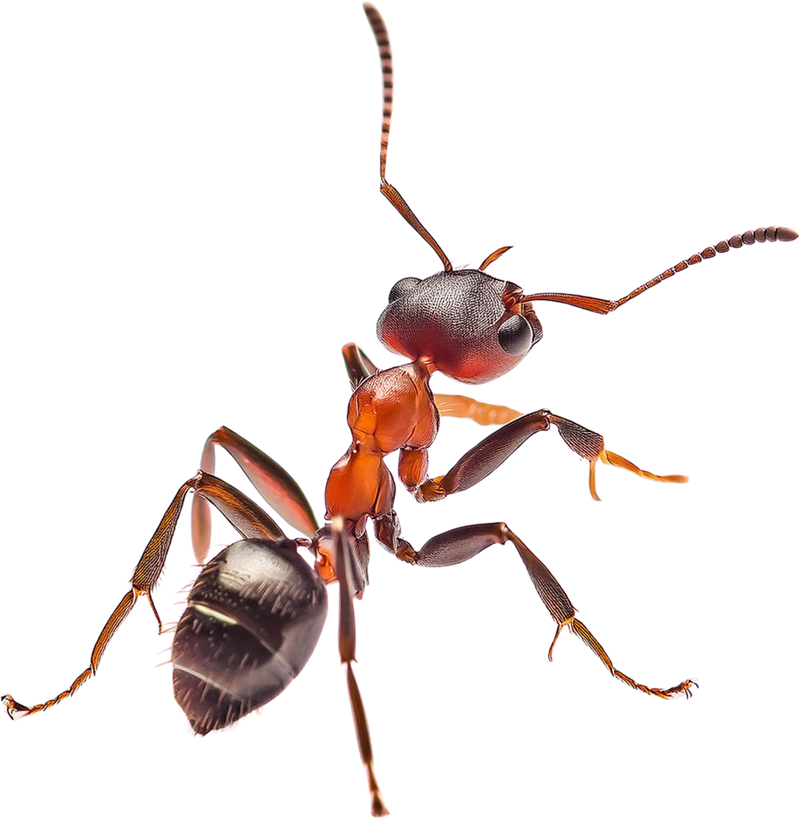
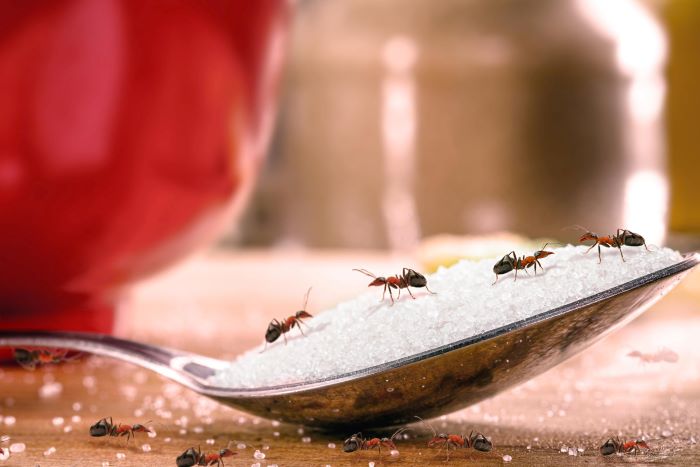
Ants often show up indoors during seasonal changes searching for moisture, food sources and easy entry, which is why infestations are commonly found in kitchens, bathrooms, and around plumbing. We typically address ant infestations with Integrated Pest Management (IPM) to identify the species source, its attractants, and entry points, and then use a combined targeted treatment along with exclusion and moisture correction, to eliminate colonies and help prevent future infestations.

Res Ant Control
Request a Quote

Need Help with Ants?

Carpenter-ants

Carpenter Ants

Fire-ants

Fire Ants

What Is the Three-Step Process For Ant Control?

A professional ant control program typically follows three core steps: inspection, identification, and treatment. Each step matters—if one is skipped or rushed, the problem often comes back.

  1. Inspection ensures nothing is missed
  2. Identification ensures the right strategy is used
  3. Treatment eliminates the root cause, not just symptoms
House-searcher-white

Inspection — Find the Source, Not Just the Ants

The goal isn’t just to see ants—it’s to understand why they’re there and where they’re coming from.

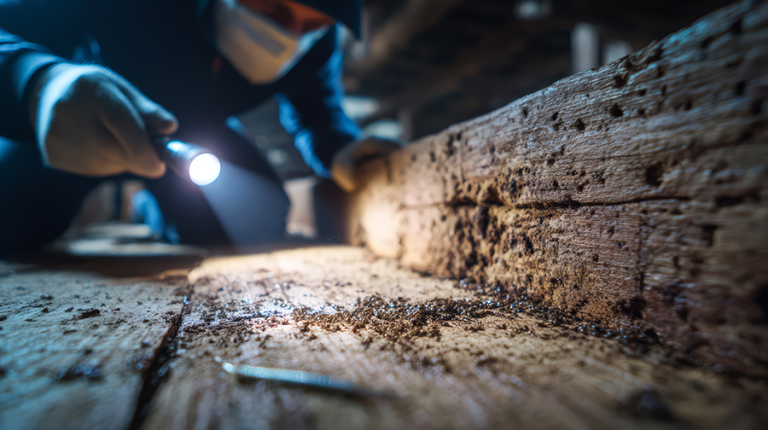
A Take Care Termite & Pest Control technician will:

  • Inspect interior areas (kitchen, bathrooms, baseboards, window frames)
  • Check exterior conditions (foundation, landscaping, tree limbs touching the structure)
  • Look for entry points (cracks, gaps, utility penetrations)
  • Identify trails and activity patterns 
  • Locate nesting sites (soil, wall voids, under concrete, mulch, etc.)
  • Note moisture sources (leaks, irrigation, poor drainage)

Key point: Treating visible ants without finding the nest is just a temporary fix.

House-treatment

Identification — Not All Ants Are Treated the Same

Correct identification is critical because different species behave differently and require different strategies.

Common structural ants include:

  • Odorous house ants – trail heavily, attracted to sweets
  • Argentine ants – large colonies, multiple queens, very persistent
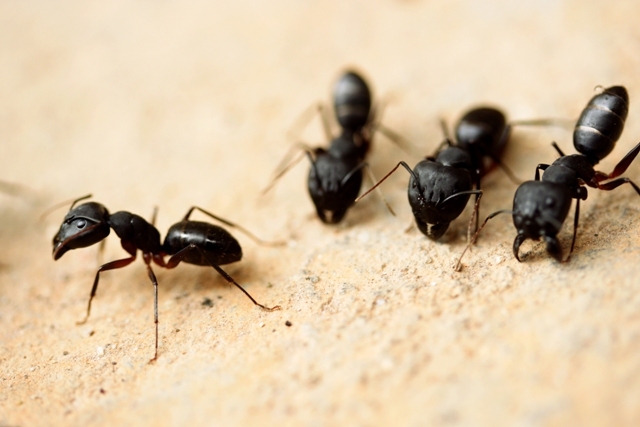
  • Carpenter ants – nest in wood, can cause structural damage
  • Fire ants – outdoor mounds, aggressive stings 

Our technician will identify:

  • Species (or at least group)
  • Nesting habits (indoors vs outdoors)
  • Food preference (sugar vs protein)
  • Colony structure (single vs multiple queens) 

Example: Spraying carpenter ants without addressing the nesting wood won’t solve the problem.

Technology-1

Treatment — Target the Colony, Not Just the Workers

Effective ant control focuses on eliminating the colony, not just killing the ants you see.

Common treatment methods:

  • Baiting (Primary method)
    • Uses slow-acting bait that worker ants carry back to the colony
    • Targets queens and developing ants
    • Available in gel, liquid, or granular forms
    • Placed along trails and activity areas 
  • Non-repellent insecticides
    • Applied to entry points and active areas
    • Ants transfer the product to others (called the “transfer effect”)
    • More effective than repellents, which can scatter colonies 
  • Perimeter treatments
    • Exterior barrier around the structure
    • Focus on foundation, cracks, and entry points
    • Nest treatments (if located)Direct treatment of nests in soil, walls, or voids 
  • Exclusion & sanitation recommendations
    • Seal cracks and gaps
    • Trim vegetation away from structure
    • Eliminate food and water sources
    • Improve drainage or fix leaks 

Why Choose Take Care Termite & Pest Control in Tracy, CA?

Decades of Experience

  • With more than 3 decades of industry experience, we have the devices and techniques required to get the job done right the first time.
  • Our team has the skills and knowledge needed to meet the unique needs of every customer and can tailor a treatment plan that ensures you get maximum termite protection.
Experience-2
Training-2

Expert Teams

  • We have the best-trained technicians who specialize in all areas of termite and pest control and use the best and most effective treatment approaches.

Latest Technology

  • Our technicians are up-to-date with the latest products and technology used to detect and eliminate ants and employ the best industry practices that control and prevent ant infestations.
  • Fully equipped with cutting-edge techniques and extensive training in all areas of termite and pest control, our trained technicians can efficiently detect both existing infestations and help you prevent future problems.
Technology-2
Termite Inspector

Get Your Property Inspected

Protect your property and avoid the expenses of potential damage with a thorough termite inspection.

Request a Quote

Ask for a Service Quote

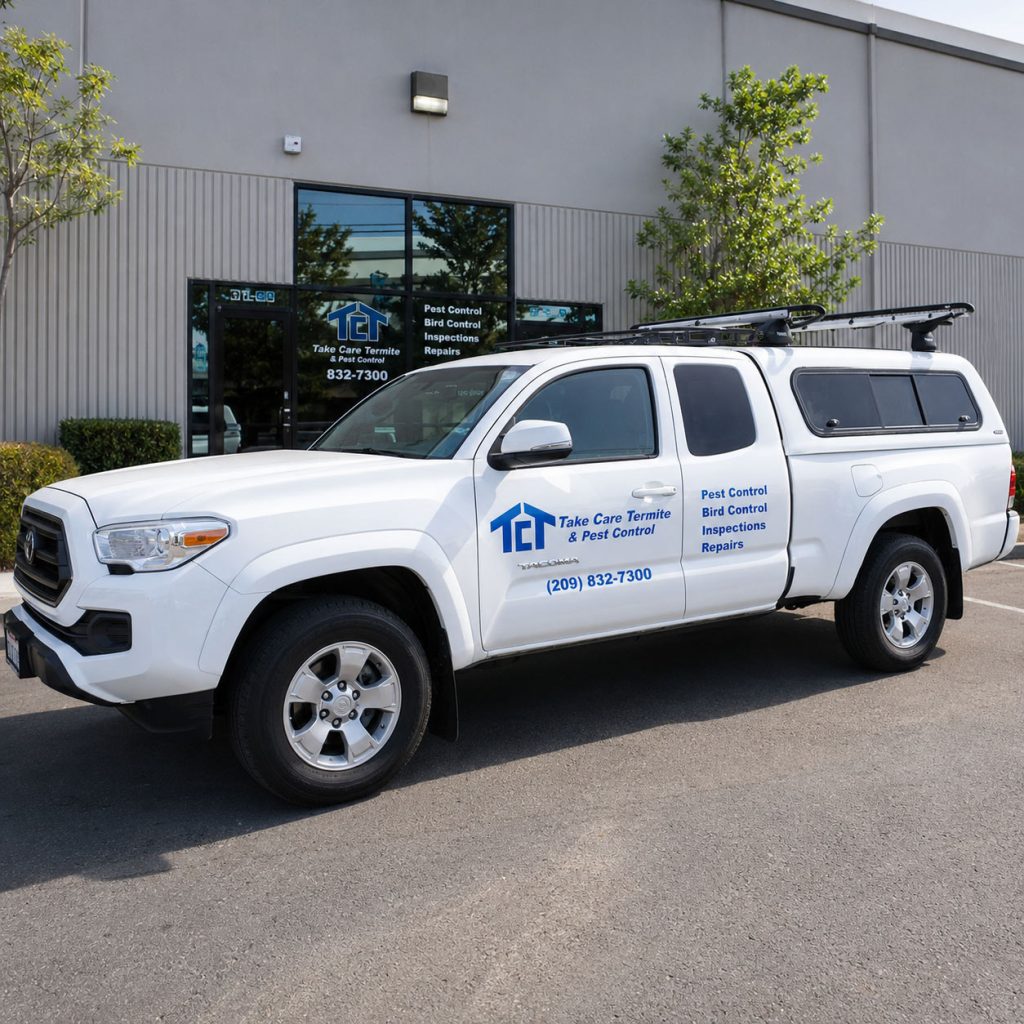
    Ai-generated-img-tct-storefront

    Call for Fast Service

    FAQs

    Frequently Asked Questions

    $50 off

    An Annual Pest Control Service Agreement

    Offer valid for new service agreements only. Cannot be combined with any other offer. Other restrictions may apply.

    Why do ants keep coming back after treatment? 

    The most effective way to prevent ants from returning is to identify the source, eliminate attractants, and maintain recurring pest control service to create a protective barrier around your home or structure. Professional ant control also includes exclusion and moisture correction, such as addressing leaks, reducing damp areas, and closing gaps where ants can enter. Treating the infestation while correcting the conditions that support it helps deliver longer-lasting protection.

    Ants are highly attracted to water and moisture, which is why they’re commonly found in kitchens, bathrooms, laundry areas, and around sinks or plumbing lines. These areas often provide the damp conditions, food residue, and shelter ants need to survive. Even small leaks or excess moisture can make these spaces a hotspot for activity.

    Yes, ant activity often follows seasonal patterns, especially during warmer months or dry weather when ants move indoors searching for water, food, and shelter. Many homeowners notice increased activity in spring and summer, but infestations can happen year-round when indoor conditions are favorable. Moisture-prone areas inside the home often become the first places ants appear.

    The most effective way to prevent ants from returning is to identify the source, eliminate attractants, and seal off entry points. Professional ant control also includes exclusion and moisture correction, such as addressing leaks, reducing damp areas, and closing gaps where ants can enter. Treating the infestation while correcting the conditions that support it helps deliver longer-lasting protection.

    We Also Offer Pest Related Repair Services

    You don’t need to call a handyman or a repair specialist separately.

    Don’t wait until termite damage goes beyond repair. Reach out to our expert technicians today to schedule a termite inspection anywhere in Tracy and the surrounding areas.