
Looking for natural ways to keep bees and wasps away from your backyard, garden, or patio? Luckily, nature offers a gentle yet effective solution, and that is bee-repellent plants and flowers! Yes, certain plants and flowers naturally deter bees and wasps.
While pollinators play an important role in the environment, their presence near your home can sometimes lead to unwanted stings and discomfort. So, check out this article to learn about 30 plants and flowers you can grow to make your outdoor space more peaceful and pest-free.
30 Flowers and Plants That Repel Bees and Wasps
Go through this list of 30 bee deterrent plants and flowers that help keep bees away from your pool, backyard, and home in the most natural way possible!
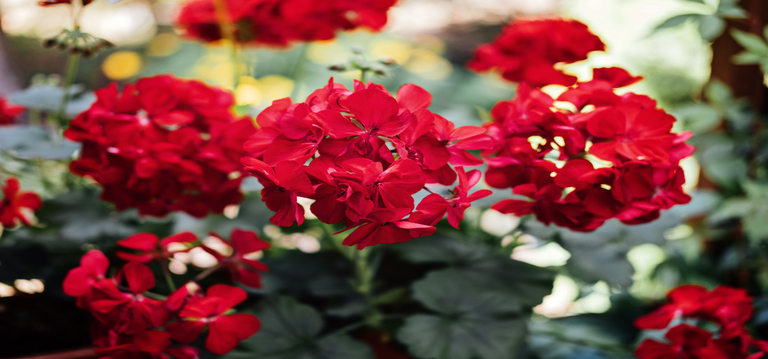
Geraniums
particularly those with red flowers, are highly effective in repelling bees and wasps. These vibrant flowers have little to no pollen, and their scent is unappealing to stinging insects. Besides adding color to your garden, they help deter pests while your kids enjoy the outdoors.
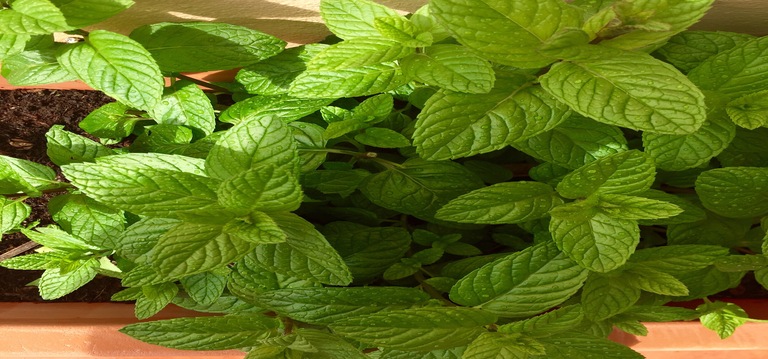
Mint
The refreshing smell of mint that we enjoy is a natural deterrent for bees and wasps. Mint grows quickly and can be easily added to your herb garden. Its scent masks attractants and keeps pests at bay. Bonus: You can use fresh mint in drinks and recipes!
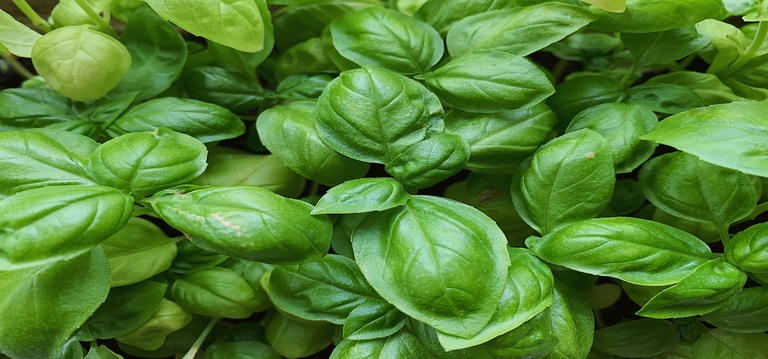
Basil
Aromatic and flavorful, basil not only enhances your dishes but also repels stinging pests. Its rich scent drives bees, wasps, flies, and fleas away. Basil thrives in sunny spots and is easy to maintain in a backyard or balcony garden.
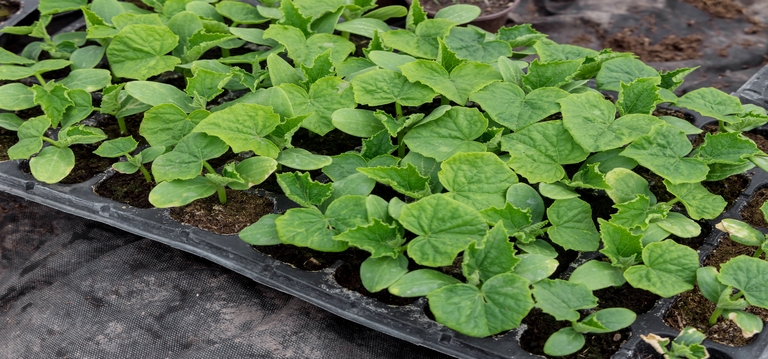
Cucumbers
Cucumber peels release an acidic compound that naturally repels bees and wasps. Whether grown as a vine or in containers, cucumbers are low-maintenance and make a tasty addition to the garden.
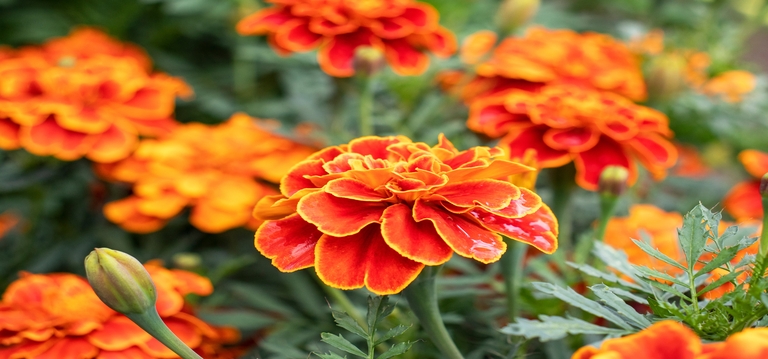
Marigolds
Another plant that repels bees with its strong fragrance is the marigold. While not as effective against honeybees, they still add bright, pest-repellent beauty to gardens. Their low maintenance makes them perfect for busy homeowners.
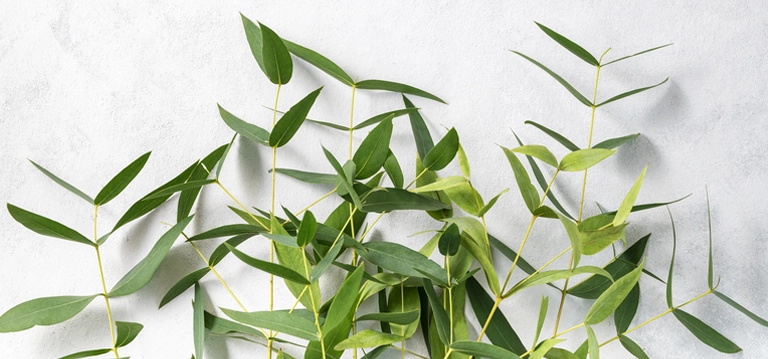
Eucalyptus
Eucalyptus is a drought-tolerant plant whose aromatic leaves repel bees and wasps. It thrives in sunny areas and can be grown in pots or directly in the ground.
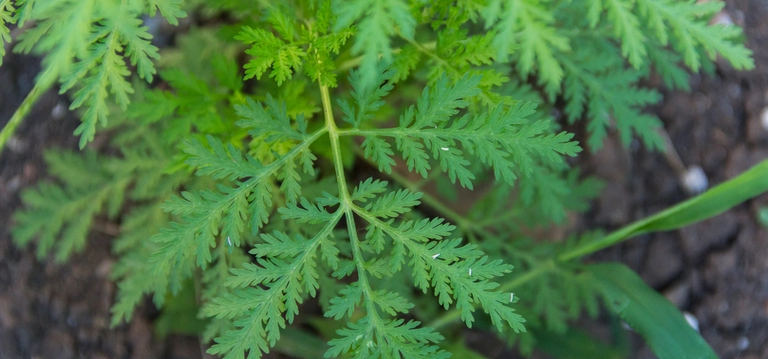
Wormwood
This plant contains absinthe, a substance toxic to many insects. Wormwood’s pungent odor keeps bees, wasps, and even mosquitoes and fleas away. It’s a unique and decorative pest-repellent option.
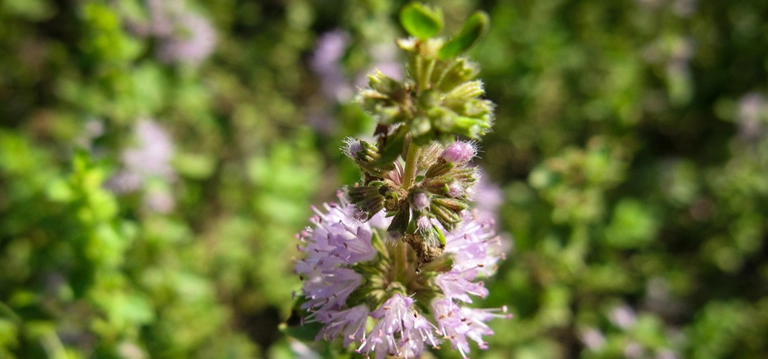
Pennyroyal
A relative of mint, pennyroyal is small yet powerful. Its mint-like scent drives away bees and wasps. Since it can thrive in small pots, it’s great for placing in multiple locations around your home.
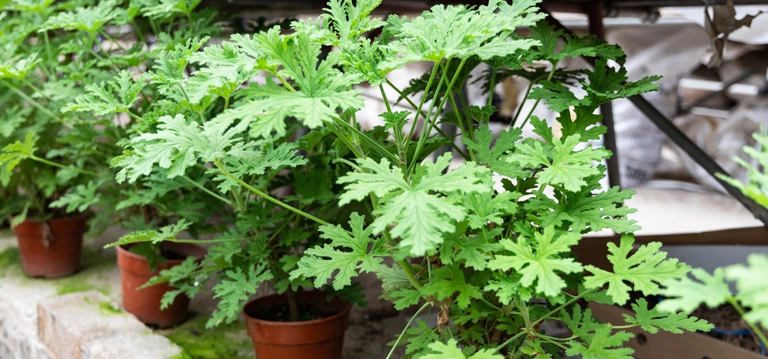
Citronella
known for repelling mosquitoes, citronella also repels bees and wasps due to its strong lemon scent. Plant it around patios or walkways to create a natural barrier.
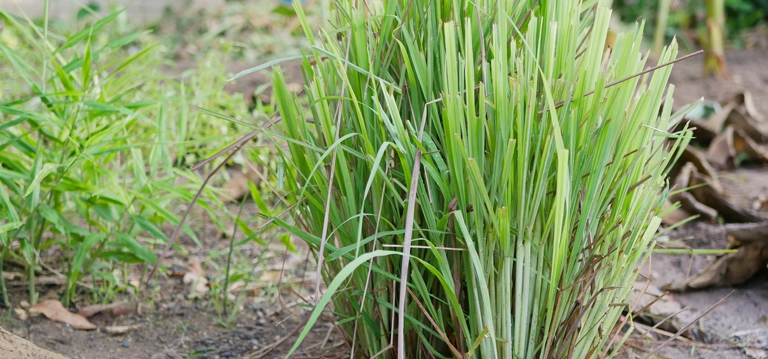
Lemongrass
Lemongrass contains citronella oil and emits a strong citrus aroma that masks floral scents. It is one of the most effective plants for keeping bees away. However, it thrives in warm climates.
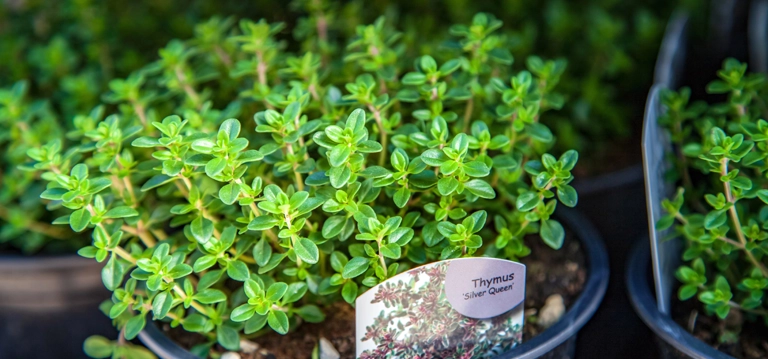
Common Thyme
Its earthy scent acts as a natural insect repellent. Both the common thyme plant and its essential oils can be used to deter bees and wasps.
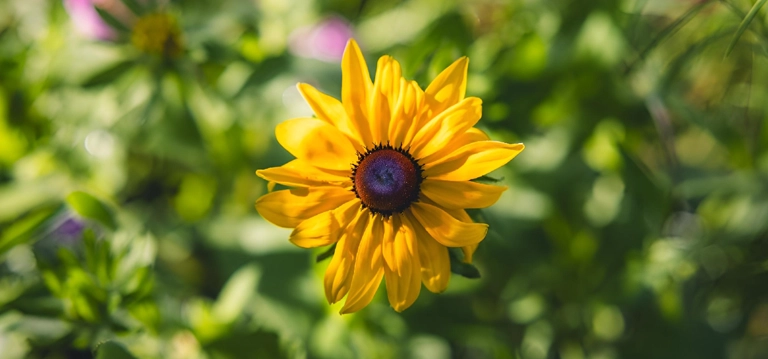
Black-Eyed Susan
Blck-eyed susan flowers emit a mild scent that discourages bees and wasps while adding beautiful yellow blooms to your yard.
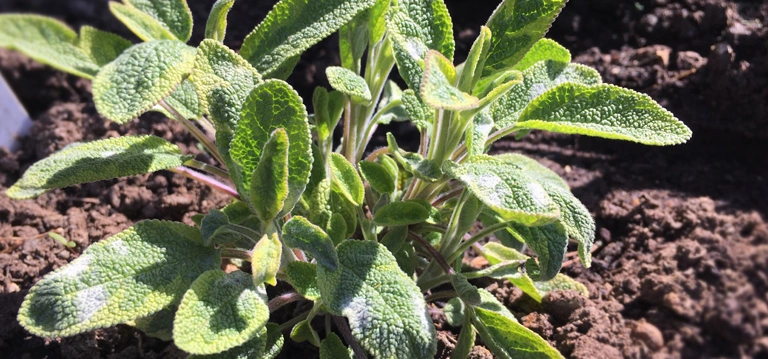
Sage
Whether planted fresh or burned as dried leaves, sage keeps stinging pests away. It’s ideal for herb gardens or borders.
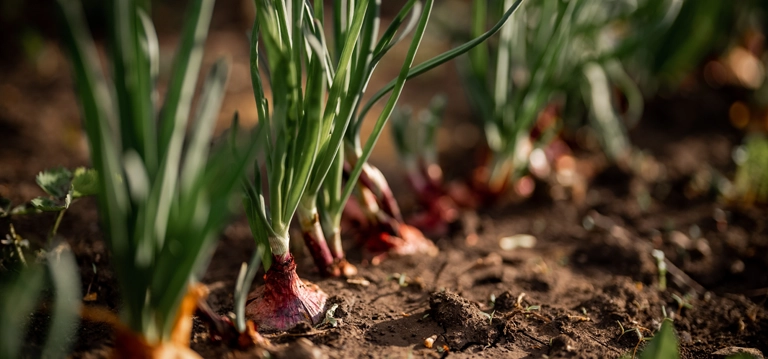
Onion
Onions emit a sharp odor that bees and wasps dislike. They are a practical addition to both kitchen and pest-repelling gardens.
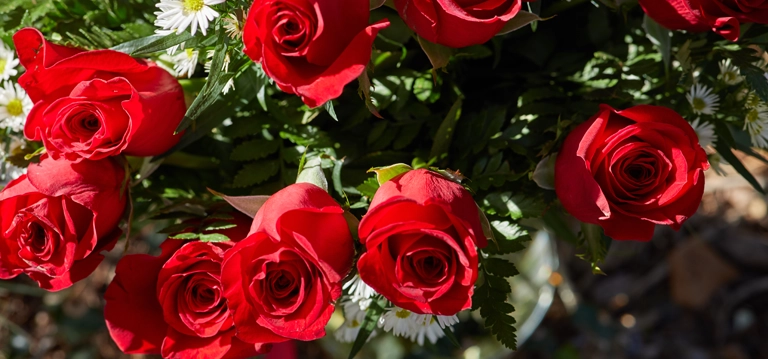
Red Roses
Unlike their pink or white cousins, deep red roses have low nectar and a scent that repels most bees and wasps.
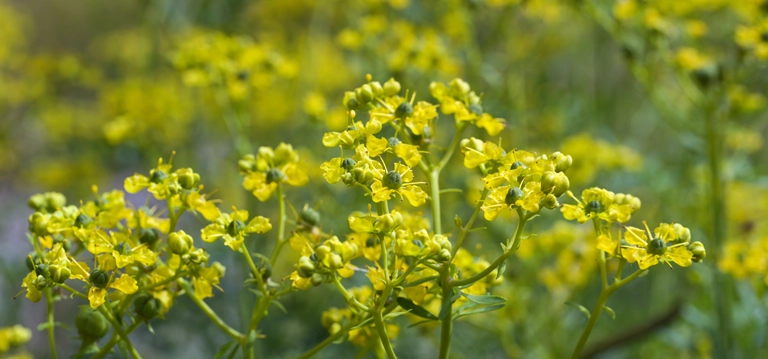
Rue
Rue is one of the most effective bee-repellent plants, thanks to its strong and bitter aroma. Its smell keeps bees and other insects away. Caution: its sap can irritate skin.
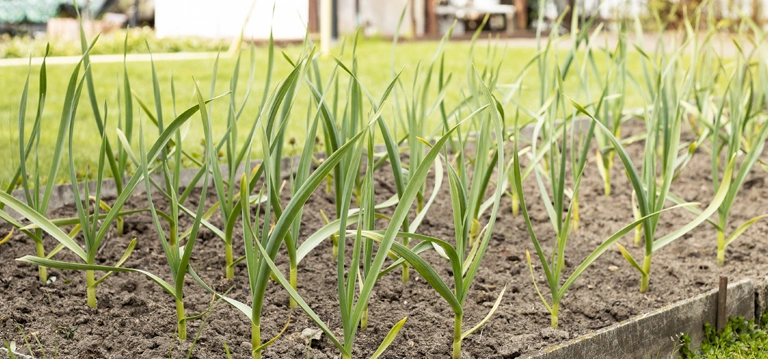
Garlic
Crushed garlic or garlic-infused water can be used to discourage pests. It’s a useful and easy-to-grow garden staple.
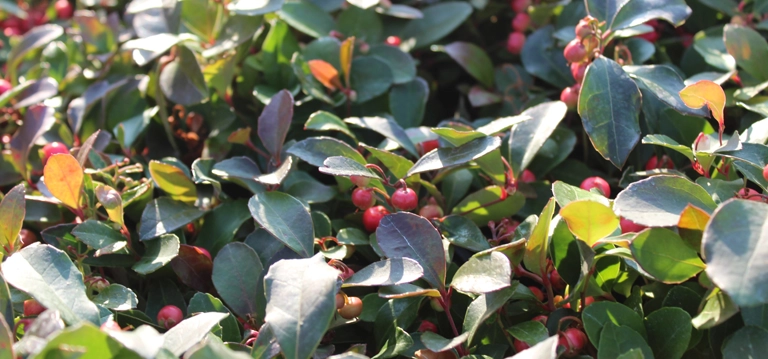
Wintergreen
Its minty scent may be soothing to you, but not to bees and wasps. For optimal results, consider using wintergreen oil or growing it in containers.
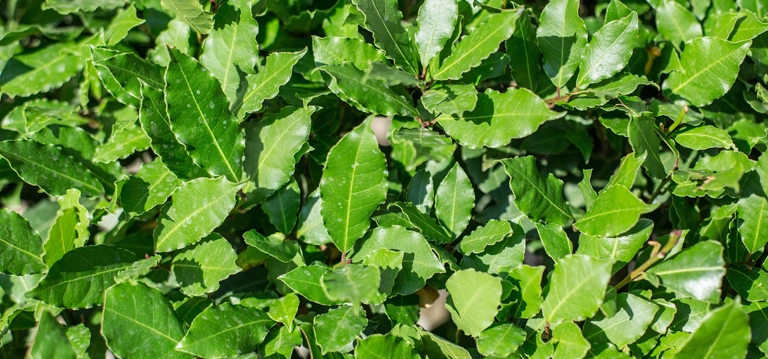
Bay Leaf
The spicy scent of bay leaves deters stinging pests. Dried leaves can be used indoors to guard against entry.
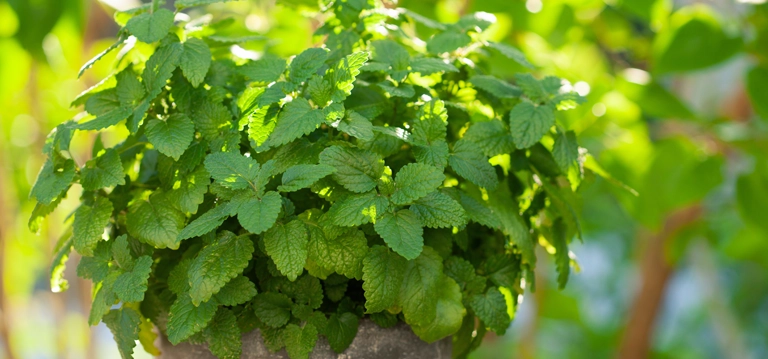
Spearmint
Similar to mint, spearmint overwhelms bees with its strong scent. This is one of those plants that repel bees and wasps and also doubles as a flavorful herb.
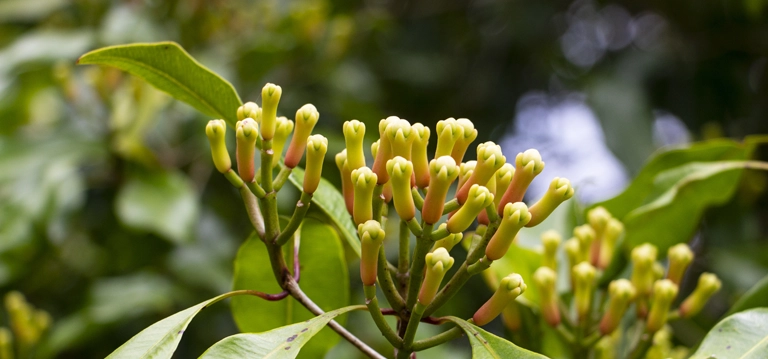
Clove
Whether from the plant or oil, clove’s intense fragrance drives bees and wasps away. Try using crushed cloves on outdoor tables.
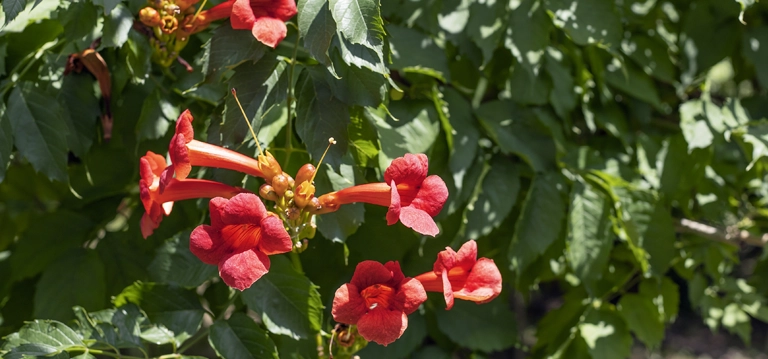
Trumpet Flower
Although it looks bright and inviting, the trumpet flower actually gives off a scent that repels bees and wasps. Its long, tube-shaped blooms also make it hard for these insects to reach the nectar, which further discourages them from visiting.
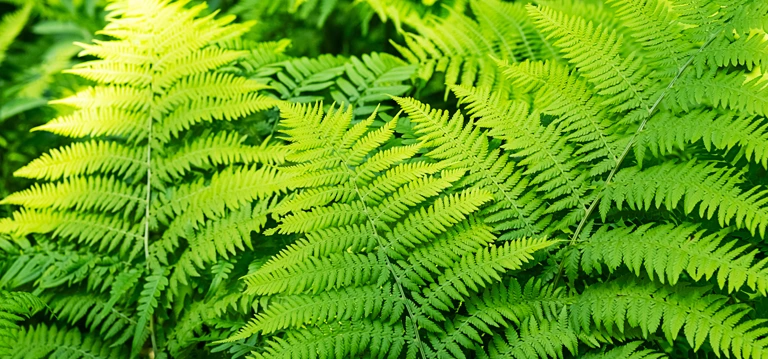
Ferns
Ferns are non-flowering plants that don’t produce nectar or strong fragrances, making them naturally unappealing to bees and wasps. They are ideal for creating a pest-free garden space because of their rich and leafy foliage.
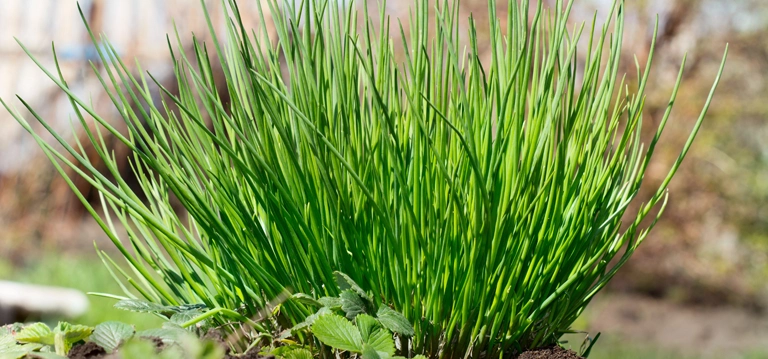
Chives
Chives emit a mild onion aroma that repels stinging pests. They are easy to grow and useful in the kitchen.
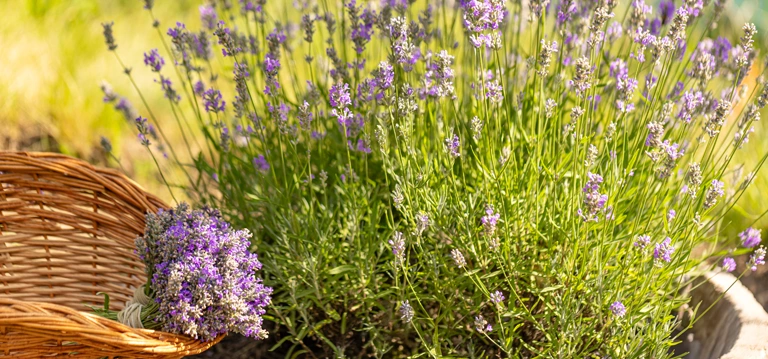
Lavender
Although lavender is one of those plants that keeps bees away, it attracts butterflies. Its intense scent repels bees and wasps. Use the plant or lavender oil for pest control.
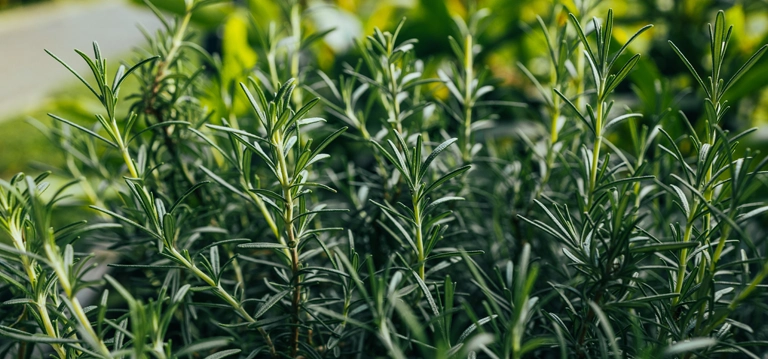
Rosemary
Rosemary’s strong, earthy aroma is enjoyable to people but tends to repel bees and wasps. Planting it near patios or outdoor seating areas can help keep these insects at bay and make the space more relaxing.
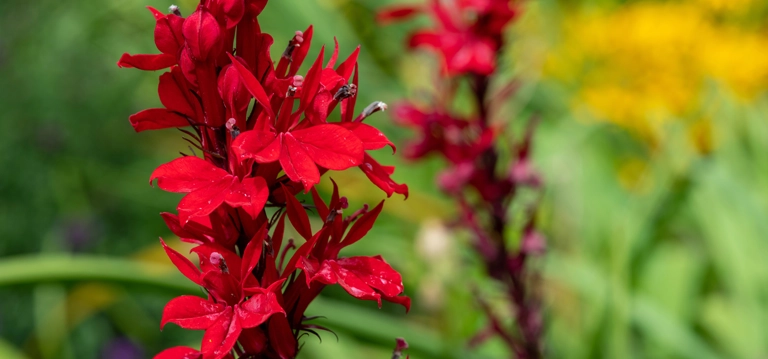
Cardinal Flowers
These bright red flowers are more appealing to hummingbirds than to bees. The shape and scent of cardinal flowers deter bees.
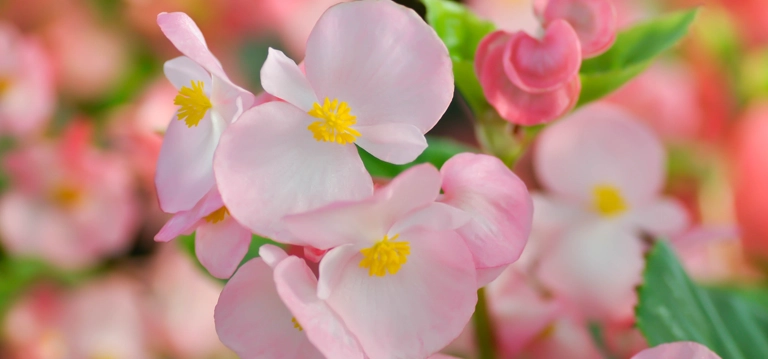
Begonias
Begonias don’t offer nectar and have a neutral scent. This property makes them unattractive to bees and wasps.
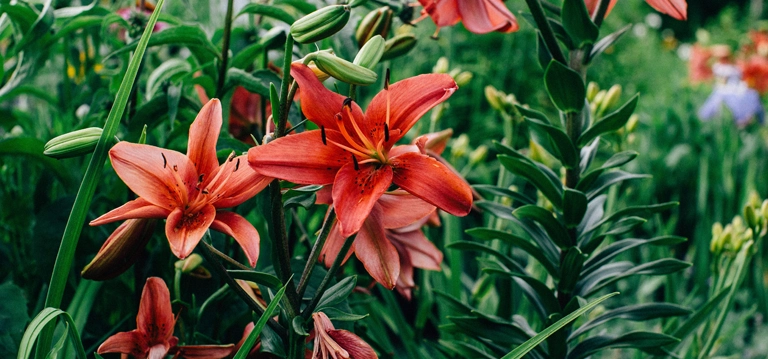
Red Lilies
Unlike other varieties of lilies, red lilies have little nectar and a scent that doesn’t appeal to stinging pests. Apart from being a decorative option, it can be your best bet as a plant to keep bees away.
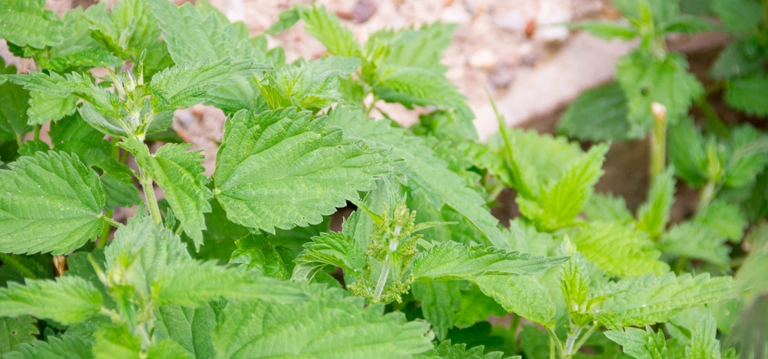
Catnip
Catnip contains nepetalactone, a compound that repels bees, wasps, and even mosquitoes. It’s an all-around bee deterrent plant.
As you can see, certain herbs and flowers such as mint, basil, rosemary, geraniums, marigolds, and begonias naturally deter these stinging insects while adding beauty and greenery to your yard. So, you can create a bee- and wasp-free outdoor space simply by choosing the right bee-repellent plants. It’s an easy, eco-friendly way to enjoy a more comfortable outdoor space.
If you spot a beehive or wasp nest, don’t handle it yourself.
Contact our professional pest control experts for safe, efficient removal and enjoy a sting-free outdoor space.