
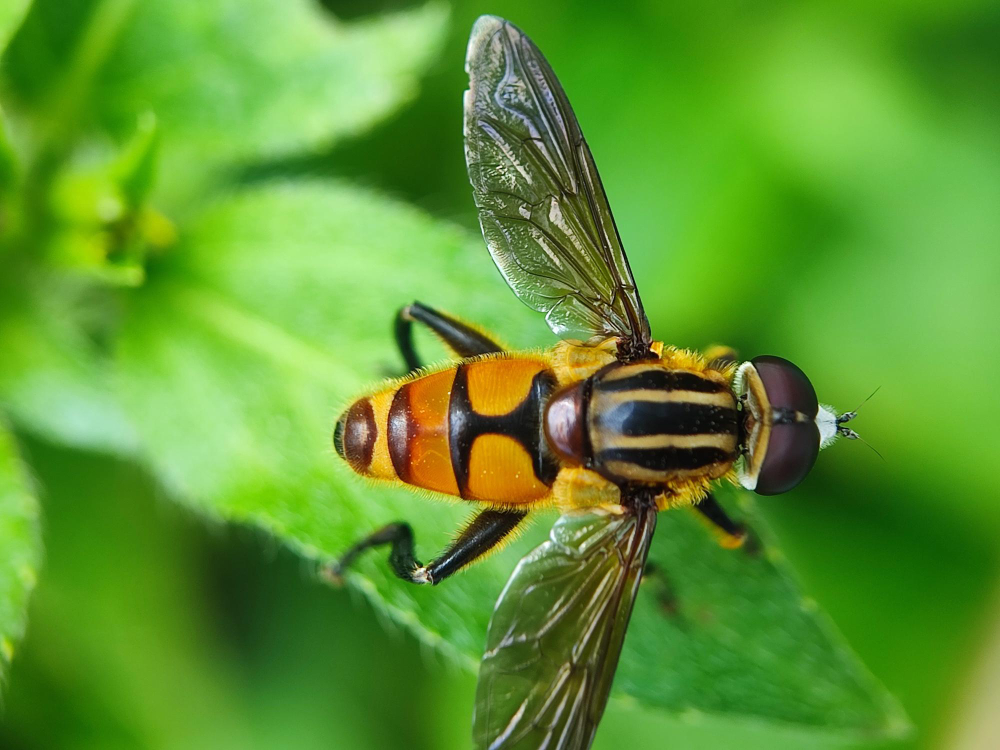
Hoverflies, which are sometimes mistaken for bees or wasps, can be an intrusive presence in your garden or around your home. Their astonishing ability to hover in mid-air, along with their vibrant coloration, can be both captivating and baffling.
While they are normally harmless and can even be beneficial in terms of pollination and pest control, their presence needs to be controlled to avoid nuisance. Are you also troubled by their infestation and thinking how do I get rid of hoverflies?
Well, your worries end here as this article tells you how to get rid of hoverflies, along with explanations of their unique qualities, life cycle, ecological benefits, and practical ways to prevent their infestation. Let’s begin!
What are Hoverflies?
Hoverflies are members of the Syrphidae family and are distinguished by their unique flight patterns. These insects are frequently confused with bees and wasps due to their similar coloration and size.
However, they lack the defensive sting that many of their flying counterparts possess. Hoverflies are typically 1/8 to 1 inch (4-25 mm) long and have a yellow-and-black striped abdomen, which can lead many people to believe they are stinging insects.
How to Identify Hoverflies? (Identification Features of Hoverflies)
Before understanding how to get rid of hoverflies, you must know how to identify them. Make a note of some of their unique identification features!
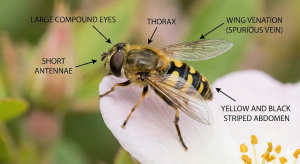
- Body:Unlike bees and wasps, hoverflies do not have a slender “waist”. Their bodies are usually elongated and thin.
- Antennae:Hoverflies have shorter antennae than bees and wasps.
- Wings:Their wings are clear or transparent, with dark veins that allow them to hover.
- Coloration:While most hoverflies have yellow and black stripes, some species are totally black or have different color patterns.
- Behaviors and Physical Characteristics:Their hovering method is different; unlike bees and wasps, they like to remain in one spot before darting to another.
Pattern & Life Cycle of Hoverflies
Hoverflies go through a complete metamorphosis, with four unique stages: egg, larva, pupa, and adult.
- The Egg StageAdult female hoverflies lay hundreds of eggs on leaves and stems, especially near aphid-infested plants. This precise location gives the hoverfly larvae instant access to food after hatching.
- The Larval StageWhen the eggs hatch, tiny larvae emerge and feed voraciously on microscopic insects, including aphids, thrips, and mites. This predatory behavior is crucial. Hoverfly larvae are known to consume large amounts of pests, significantly lowering the need for chemical pesticides. A single hoverfly larva can consume up to 400 aphids during its lifetime.
- The Pupal StageFollowing a few weeks of feeding, the larvae mature into pupae. This stage is relatively quiescent and lasts only a few days. Finally, they emerge as adult hoverflies, finishing their life cycle.
- Adult HoverfliesAdult hoverflies have a limited lifespan, usually lasting only a few weeks. Nonetheless, their significance in the ecology is immense, particularly in pollination.

Hoverflies vs Yellow Jackets – What’s the difference?
While hoverflies and yellow jackets have similar appearances and can be confusing, learning the differences might help you manage their presence more successfully.
| Differentiating Factor | Hoverflies | Yellow Jackets |
| Appearance | Typically smaller, with a more slender body, and feature a yellow-and-black striped pattern | Larger, thicker, and more aggressive |
| Stingers | Don’t have any | Can sting several times |
| Habits | Mostly innocuous insects that specialize in pollination and pest management sometimes exhibit mild hovering behavior | Notorious for scavenging and can be violent, especially when defending their nests |
How to Get Rid of Hoverflies?
If you find hoverflies to be troublesome, there are numerous efficient ways to limit their presence while preserving the benefits they provide to your garden.
-

Apply Flytraps
Use commercially available fly traps or make your own. You can make a homemade trap by filling a bowl with apple cider vinegar only, or you can combine it with sugar water or fruit juice. This delicious aroma attracts hoverflies. Cover this bowl with plastic wrap. Poke small holes in the plastic wrap to let hoverflies in, trapping themselves inside.
-

Use Fans
Hoverflies are poor fliers. Setting up fans can provide a breeze that prevents them from staying in specific areas, notably outside dining areas.
-

Spray Hoverfly Repellent
Consider using natural repellent sprays produced with essential oils like peppermint or clove. These smells can discourage hoverflies while remaining environmentally safe. Neem oil is a natural insect repellent that can prevent hoverflies while not harming beneficial insects. Spray neem oil diluted in water over the afflicted regions.
-

Plant Hoverfly-Repelling Shrubs
Some plants, such as marigolds and basil, can repel hoverflies. Planting them in your yard can help keep hoverflies away while also making it more visually appealing. Mint plants can also naturally discourage hoverflies. Planting mint in your garden not only drives hoverflies away but it also provides fresh herbs for cooking.
-

Try Companion Planting
Using companion planting strategies can help you attract hoverflies to different regions of your garden while keeping them away from plants you want to protect.
How to Repel Hoverflies?
Consider applying the following preventative steps to keep the environment free of hoverflies:

Proper Sanitation
Keep your outside areas clean and debris-free. Dispose of food waste on a regular basis, and remove any standing water that may attract hoverflies or other pests.

Physical Barriers
Using netting or screens on windows and doors helps keep hoverflies away while allowing fresh air to circulate indoors.

Strategically Plant Nectar-filled Plants
Hoverflies are important pollinators. Strategically positioning nectar-filled plants away from your main living spaces might assist in attracting them to certain places of your choice, reducing their presence where they are not desired.
Time to Contact a Professional Pest Control Service Provider!
Find yourself swamped by hoverflies despite your best attempts? It may be time to call a professional pest control company. Experts can give specialized solutions and inspections to manage pest populations properly.
You can contact Take Care Termite and Pest Control anytime for pest control solutions and personalized guidance! Together, we can create a pest-free environment while still preserving our planet’s vital species.
In conclusion, hoverflies are fascinating creatures that play an important part in the environment. While they might be a nuisance at times, understanding their life cycle, behaviors, and ecological benefits can help us appreciate their presence all the more.
Furthermore, implementing the numerous ways to get rid of hoverflies discussed above allows you to efficiently control their presence, ensuring that your garden thrives without compromising its natural helpers.
If you’d like to learn more about pest management tactics or the fascinating world of hoverflies and pollinators, we recommend checking out our other blogs and resources. Remember, a little knowledge can go a long way toward developing a peaceful relationship with nature.