
Earwigs are among the most frustrating pests to have invaded your home. They’re almost entirely nocturnal, so you probably won’t run into them during the day. Their bodies are made for burrowing into the wood and other debris, which makes their numbers hard to track.
What are Earwigs?
An earwig is a member of the family Dermaptera, which includes more than 2,000 species worldwide, with each type having its own unique characteristics. They are common in gardens, greenhouses, and other damp places; they usually hide in dark crevices or under rocks and leaves during the day.
There are around fifteen to twenty different kinds of earwigs in the USA, and unlike a common misconception, they do not enter people’s ears while they are asleep and consume their brains. The pincers on earwigs, which are actually intended to ward off predators and engage in mating combat with other earwigs, can, however, terrify some people.
What Do Earwigs Look Like?
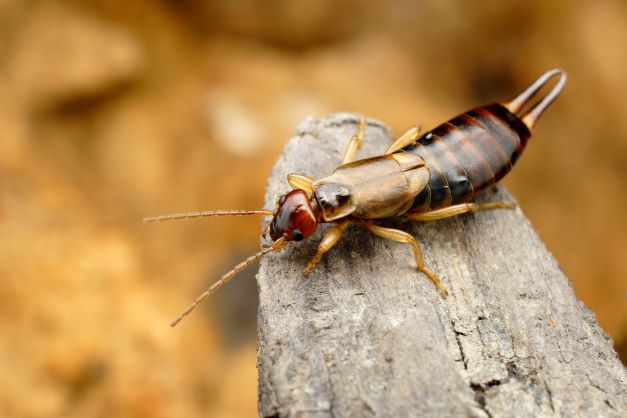
Earwigs, also called pincher bugs, are small, slender insects commonly found in homes across North America. They have long, segmented abdomens and distinct rear-mounted pincers.
Earwigs typically grow to about 1/2 inch in length. Their bodies are flat and elongated, with six legs and two antennae, making them resemble other insects like cockroaches or beetles.
The most recognizable feature of earwigs is their large, curved forceps on the abdomen. While these pincers may look threatening, they are harmless.
How to Get Rid of Earwigs in House
Getting rid of earwigs is pretty simple. Here’s how you can effectively get rid of these pests from your garden or house:

Eliminate Moisture
Moisture can attract earwigs since they need water for survival. To reduce humidity levels and prevent an infestation, ensure that all holes in walls or foundations are sealed off properly and repair any leaking pipes or faucets outside of your home. Additionally, you’ll want to avoid overly damp soil by paying attention to drainage issues, such as soggy patches around trees or puddles after watering plants.

Remove Food and Harborage Sources
Removing food and harborage sources is the best way to control earwig populations. One way to do this is by cleaning up any areas where food has spilled or been left out, such as on counters, in the pantry, or around pet bowls. Additionally, it’s important not to leave out cardboard boxes or other items where they may easily hide, as they provide a comfortable habitat for earwigs. Keeping all trash cans sealed tightly will also help prevent them from entering and scavenging for scraps of food inside.

Keep the Lights off at Night
Turning off lights around your house will make it less inviting to earwigs because they prefer dark environments. Keep exterior lighting to a minimum and avoid placing any light fixtures close to windows or doors, as this will attract them. If you do need to leave a porch or security light on during the night, use a yellow-colored bulb, as these attract fewer insects than white ones do.
Inside the house, use low-wattage bulbs when possible, as brighter lighting will also attract them. Keep windows covered with blinds or curtains and avoid using unnecessary lighting throughout the evening hours too.

Set Traps
When it comes to earwig trapping, there are several different types of traps available for purchase at most hardware stores. Commonly used traps include glue boards that capture the pests when stepped on, as well as baited traps using cornmeal or other sweet foods as bait. Place the trap in locations where you have seen the presence of earwig activity, like behind furniture or appliances, under sinks and drains, or near windowsills.
- Magazine Roll Method
Roll up a magazine or newspaper, and place it in areas where earwigs are commonly found. The earwigs will crawl inside to hide, and you can easily dispose of them.
- Oil-Based Trap
Fill a shallow dish with vegetable oil and place it in areas where earwigs appear. The earwigs will be attracted to the oil and become trapped.
- Terracotta Pot Method
Place an empty terracotta pot, upside down, in damp areas. Earwigs will crawl under it for shelter. You can then shake the pot to remove them.
- Sticky Trap Solution
Set up sticky glue traps near walls or areas where earwigs are active. The earwigs will become stuck to the traps, making it easy to remove them.
Vacuum Up Earwigs
One of the most effective techniques to get rid of earwigs in your home or garden is to vacuum them up. This method works well because it is quick and easy to do with a standard household vacuum cleaner. To start the process:
- Ensure your vacuum cleaner has a hose attachment so you can reach into tight spaces where earwigs may be hiding.
- Simply move the hose around furniture, under appliances, along baseboards, and corners of windowsills until you locate an earwig or two.
- Once found, use the vacuum hose to suck them up into the chamber of the machine for disposal later on.

Clean Gutters and Drainpipes
Earwigs love damp, dark places and these areas often offer the perfect environment for them to thrive. By removing any standing water or debris from your gutters and drainpipes, you can significantly reduce the number of earwigs in your home.
It’s important to clean out your gutters regularly; this will keep them free from leaves, twigs, and other debris that attract pests like earwigs. Take extra care when cleaning around the seams and corners of the gutter, as these are often where insects hide. In addition, if you have any clogged downspouts or drainage pipes, be sure to clean them out too.
If earwigs persist in your home despite using recommended remedies, it may be time to reach out to a pest control service for professional assistance.
What Attracts Earwigs to Your Home?
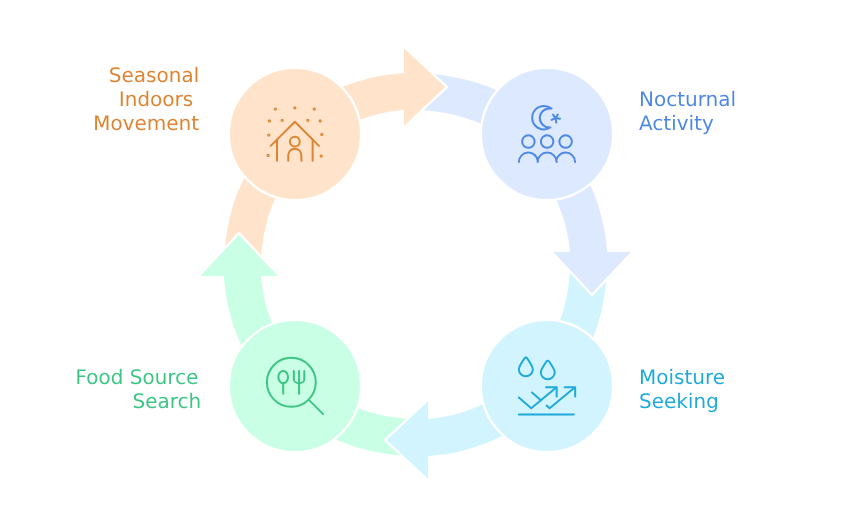
- Earwigs are nocturnal insects, meaning they are most active at night. They are attracted to light, so porch lights may draw them to your home. Additionally, they often hide in dark, moist areas like wood piles, boxes, or newspapers. These hiding spots may lead them indoors by accident.
- Moisture is another major factor. Earwigs are drawn to damp environments, where they can find shelter and avoid drying out during the day. If you consistently find earwigs in a specific area, it may indicate a moisture issue in your home.
- Earwigs also seek food sources, particularly rotting organic matter, fresh plants, plant debris, and insects. Compost piles, mulch, dead leaves, and manure near your home can attract them.
- During the fall, earwigs may try to enter homes in search of warmth as they prepare to overwinter. If your home regularly attracts them in the fall, address the conditions that may be drawing them inside.
How to Keep Earwigs Away and Prevent Them from Coming Back
To prevent earwigs from returning to your home, follow these steps:
- Seal Entry Points:Repair holes in window screens, and seal cracks and gaps around doors, windows, foundation, and vents.
- Reduce Moisture:Use a dehumidifier in your basement to control excess moisture, and repair any leaks, including leaky faucets.
- Clear Outdoor Areas:Remove piles of wood, leaves, rocks, and excess vegetation from around your home. Keep mulch and plants at least 6 to 12 inches away from your foundation.
- Trim Trees and Shrubs:Prune trees and bushes to eliminate areas of heavy shade and dampness near your home.
- Maintain Gutters and Drains:Ensure gutters and downspouts are clear and properly directing water away from your home to prevent moisture buildup.
By taking these simple steps, you can significantly reduce the chance of earwigs returning to your home.