
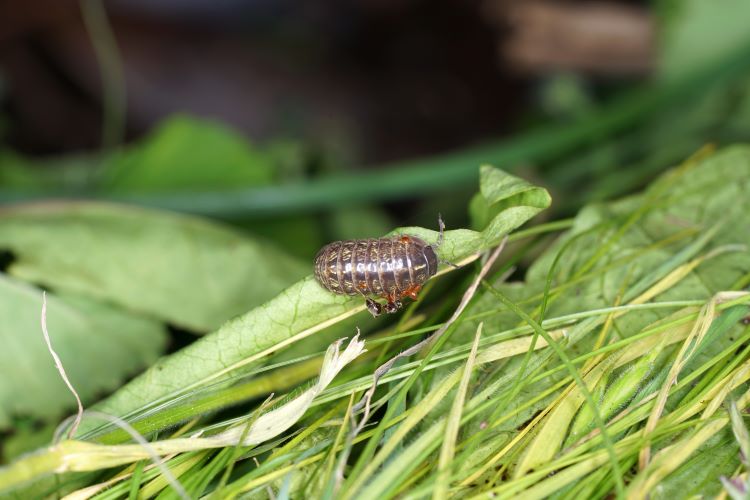
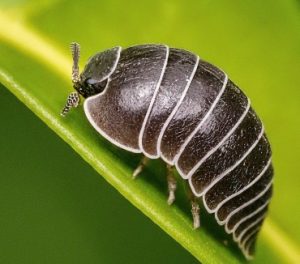
Pill bugs, also known as Roly Poly or Rollie Pollie bugs, Armadillidiidae, are commonly found in gardens throughout the country and are often called potato bugs, butchy boys, slaters, or roly polies.
Their distinctive “rolly-polly” name comes from their tendency to curl into a ball shape when disturbed. While these bugs play a helpful role in breaking down organic matter and enriching the soil, their large numbers can pose a threat as they feed on tender roots, leaves, and vegetables.
Interestingly, pill bugs are not insects; they belong to the group of land-based crustaceans. Thriving in moist environments, they prefer hiding under damp mulch, well-watered flower pots resting on the ground, and beneath rocks. On occasion, they may venture into houses and can survive in damp conditions. If you’re facing a pill bug infestation and looking for effective ways to get rid of it, this blog has you covered.
How to Identify Pill Bug (Rollie Pollie) Infestations?
Concerned about a potential pill bug takeover in your home? Watch out for signs like yellowing or wilting leaves, holes in foliage, or struggling seedlings. Detecting these symptoms early is key to preventing further damage to your plants.
How to Get Rid of Rollie Pollie, Roly Poly (Pill Bugs) In Your Home and Garden
- Keep Your Basement Dry
Sowbugs and pillbugs thrive on moisture, and without it, they typically meet their demise within around two days. Not only pillbug infestation can be prevented by opting for a moisture-drying approach but it also helps prevent other basement bugs. If you notice persistent issues in structural framing, it could be linked to landscaping allowing roof runoff to saturate walls or an excess of mulch around the foundation, maintaining moist conditions. Addressing these concerns will go a long way in eliminating pillbugs and sowbugs from your space. - Use an Insecticide
To address the intrusion of pill bugs into your home, consider employing insecticides in the form of sprays, baits, or granules. When opting for a commercial pesticide product, adhere closely to safety instructions, ensuring it remains inaccessible to children and pets. Prioritize personal safety by wearing gloves and a mask during the application of the insecticide to prevent skin contact and inhalation. - Use Food-Grade Diatomaceous Earth
Food-grade diatomaceous earth, commonly known as DE, proves effective in pest control. Comprising fossilized remains of aquatic organisms, its minuscule silica particles boast razor-sharp edges capable of penetrating the pill bug’s exoskeleton, leading to dehydration and eventual demise. While DE is generally non-toxic, precautionary measures are advisable, as outlined by the Centers for Disease Control and Prevention. Potential irritations to the skin, eyes, and respiratory system can occur if inhaled or used excessively. Ensure its placement away from high-traffic zones and out of reach of pets and children- When purchasing DE, opt for the food-grade variant, avoiding pool- or garden-grade alternatives.
- During application, safeguard yourself with an N95 mask, eye protection, gloves, and long clothing.
- Apply DE strategically in low-traffic areas with observed pill bug activity. The DE will eliminate existing rolly-pollys and absorb excess moisture.
- Upon completion of its task, dampen the DE to create a mud-like consistency, preventing airborne particles. Subsequently, wipe it away to maintain a clean and controlled environment.
- Consider Using Essential Oils
Pill bugs, much like many insects, aren’t big fans of essential oils. This includes varieties like rosemary, oregano, citronella, citrus, cinnamon, tea tree, and peppermint. For effective use, mix essential oils with water and spray the solution in areas where you’ve noticed these rolly-pollys. However, exercise caution and keep the mixture away from children and pets. It’s worth noting that the American Society for the Prevention of Cruelty to Animals highlights the potential dangers of essential oils to pets, leading to symptoms such as unsteadiness, vomiting, and low body temperature. To create a spray for controlling rolly-pollys, mix 4 drops of essential oil with 1 gallon of soapy water. Transfer the solution into a spray bottle and apply it to the areas where you’ve observed the pests. - Create a Compost Trap
Pill bugs have a particular relationship with compost, making it an effective way to trap them. Introduce a small pile of compost into your garden for a few days. The pill bugs will be drawn to it and will start feasting. After about a week, gather the compost, along with the bugs, and relocate them to a spot away from your garden, preferably into a compost bin. - Shield Your Plants
If pill bugs are turning your young vegetable plants into a buffet, here’s a simple solution. Grab some old toilet paper or paper towel rolls and carefully position them over the seedlings for protection. Alternatively, a paper cup with the bottom cut out can serve the purpose, especially if you need a wider diameter. - Set Up a Beer Ambush
Deal with those unwelcome pill bugs by creating a clever trap using beer or cornmeal. Follow these steps:- Dig a small hole in your garden.
- Insert a plastic container with the lid’s lip level with the earth.
- Pour a small amount of beer into the container. The scent will lure the pill bugs, leading them to fall in and meet their watery end.
An alternative method involves cutting a hole in the plastic container, placing it on the ground in your garden, and filling it with cornmeal. When the pill bugs attempt to feast on the cornmeal, it becomes a recipe for their unfortunate demise.
- Get Professional Help
If you’ve exhausted your efforts with the DIY approaches and those pesky pill bugs persist, it might be time to bring in the experts. A pest control professional can implement the necessary measures to effectively manage the pill bug population in your garden or home.
How to Prevent Pill Bugs from Invading Your Home or Garden

- Clear Away Debris
Pill bugs have a soft spot for plant debris, so maintaining a neat garden is your first line of defense. Regularly clear dead leaves, fallen vegetables, and excessive mulch from the garden floor. Ensure there’s no pileup of leaves, dead grass, or wood against your home’s foundation, as this creates a damp environment pill bugs thrive in. If you stumble upon these critters, consider relocating them to your compost bin instead of squashing them. - Seal Entry Points
Conduct a thorough inspection around basement windows and door thresholds for any gaps. Utilize weather stripping or caulk to seal these openings. Check the foundation for cracks that could be acting as gateways for pill bugs, and seal them with an epoxy sealer. - Grow Strong Plants
To safeguard your plants from pill bugs and other pests, cultivating a thriving garden is a top-notch strategy. Enhance the soil with organic matter and ensure proper watering to foster robust root structures. Plants with sturdy cell walls are less tempting to bugs. Moreover, a soil rich in organic content provides pill bugs with alternative nourishment, reducing the likelihood of them munching on your plants. - Maintain Gutters
Address drainage issues that direct rainwater toward your foundation. Regularly clean or repair gutters and downspouts to prevent water-related problems. Engaging a local gutter cleaning company can assist in this endeavor. - Regrade Your Lawn
Ensure that the soil around your home slopes away from the foundation to prevent water accumulation. If grading is a concern, address it promptly to not only eradicate your pill bug predicament but also to avert potential foundation damage. Seek assistance from a nearby landscape grading company for a professional solution.
What are Rollie Pollie Bugs (Pillbugs) and Sowbugs?
Ever wondered about Rolly Polly Bugs (Pillbugs) and Sowbugs? Well, here’s an interesting twist—they’re not your typical insects. As mentioned earlier, these creatures belong to the world of terrestrial crustaceans, sharing more in common with crabs and shrimps than the insects you’d typically find in the soil.
While most crustaceans are aquatic, Rolly Pollys and Sowbugs have made a home on dry land. Despite having gills, they’ve mastered the art of thriving without a drop of water. These remarkable beings play a crucial role in the ecosystem by dining on decaying plant matter and other decomposing materials, enhancing soil quality in the process.
However, their helpful nature takes a turn when their numbers grow. In large quantities, they can become a nuisance, feasting on new roots, lower leaves, seedlings, and even your prized fruits and vegetables.